

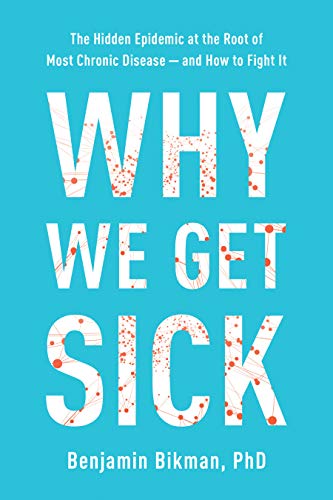
We are sick. Around the world, we struggle with diseases that were once considered rare. Cancer, heart disease, Alzheimer’s disease, and diabetes affect millions each year; many people are also struggling with hypertension, weight gain, fatty liver, dementia, low testosterone, menstrual irregularities and infertility, and more. We treat the symptoms, not realizing that all of these diseases and disorders have something in common. Each of them is caused or made worse by a condition known as insulin resistance. And you might have it. Odds are you do—over half of all adults in the United States are insulin resistant, with most other countries either worse or not far behind. In Why We Get Sick, internationally renowned scientist and pathophysiology professor Benjamin Bikman explores why insulin resistance has become so prevalent and why it matters. Unless we recognize it and take steps to reverse the trend, major chronic diseases will be even more widespread. But reversing insulin resistance is possible, and Bikman offers an evidence-based plan to stop and prevent it, with helpful food lists, meal suggestions, easy exercise principles, and more. Full of surprising research and practical advice, Why We Get Sick will help you to take control of your health.
I’ve posted this book before, it’s super impactful and makes a great demonstration of why hyperinsulinemia is so bad. It’s written in a very easy to understand and compelling way. I can not recommend this book enough. I’ve given out nearly a dozen copies of it to friends suffering from metabolic problems.
I just discovered, today, that a official chinese version is now available! If you have relatives, friends, who arn’t so great at English (especially such they wont try to read a book)… this is a great gift. Especially the auntie who smiles kindly at you, but never stops chain smoking and pops metformin like candy.

How do they get their calories if they don’t eat carbs? There is only fat and proteins. If proteins are kept low, what can people eat that is not pure fat?
Yup, you got it, ketogenic eating patterns are low carb HIGH FAT
Can you give me some examples, please?
Examples of a well formulated ketogenic diet?
Keto for omnivores: https://www.dietdoctor.com/low-carb/keto#foods-to-eat
Keto for vegetarians: https://www.dietdoctor.com/low-carb/keto/vegetarian
full day by day meal plan with photos
https://www.dietdoctor.com/low-carb/keto/diet-plan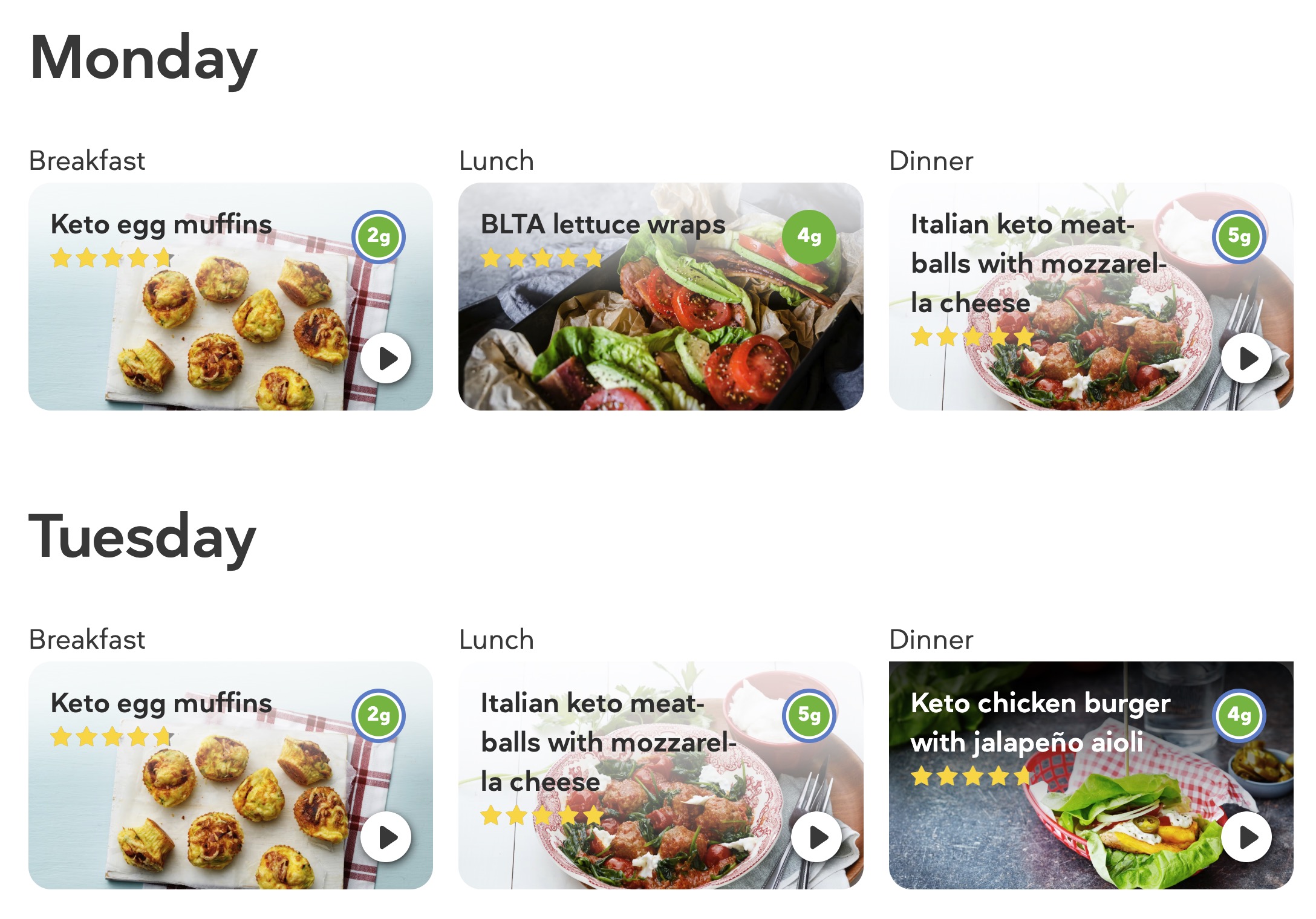
Keto recipe index: https://www.dietdoctor.com/low-carb/keto/recipes
Basically you can build any meal you like, just keep your daily g carbs < 20 (for keto), <150 (for low carb)
When I started I liked fatty salmon, plus olives, and some brie as a dessert. I made a lot of scrambled eggs + bacon. Steak and eggs. Avocado drips, and pork rinds (it tastes better then it sounds).
I think that plant based keto is not possible unless people drink oil. The moment animal products are used the feeding requires ten times the resources to create the same amount of calories. Calves are born to produce milk. Vegetarians are not much better for the world than carnivores.
Then using plant based oils comes with their own risks because the cheap ones are not healthy. Unfortunately the world can’t live off almonds either because there is not enough water.
So I am wondering if there is a vegan option or if poor people are forced to get sick.
I don’t think there is a vegan option for a ketogenic metabolism. You can do lower carb vegan if you like. https://www.dietdoctor.com/low-carb/vegan
Your right, 80% of the worlds vegetarians are economic vegetarians - It’s a critical humanitarian issue to increase the supply of animal based foods available to them (i.e. one egg a day can have a huge impact on developing children).
Calories yes, but humans don’t run on calories, we run on nutrition. a nutritionally complete WFPB is about 2.3kg-3kg of food per day, but the same complete nutrition on animal sources is 350g per day. If your just looking at kg/output per unit land pbf wins, but that is far less effective then abf. Not to mention 70% of the worlds agricultural land is pastoral and only suitable for ruminants anyway (can’t grow crops there)
The animal has to eat the food then. It doesn’t limit the needed space.
https://ourworldindata.org/grapher/feed-required-to-produce-one-kilogram-of-meat-or-dairy-product
Rising animals comes with a loss that could feed more humans or leave more space to nature. The biomass of wild animals has drastically shrunk.
How do you come to that conclusion? It’s just less volume for humans to eat.
https://ourworldindata.org/grapher/land-use-kcal-poore
Beef needs 120 m2 while rice needs 0.76 m2 for the same output. Those 70% pastoral grounds have to be weighted with 1/120th. They maybe create 1% of the food while agriculture creates 97% and some calories come from the oceans.
Ruminants are pastoral, they should be out grazing the land, fertilizing the ground, and churning the soil. They should not be in barns being fed human harvest crops.
Less volume, and you can get nutrition out of the 70% of pastoral land that doesn’t yield crops. for a well balanced nutritionally complete diet all foods can be sourced locally, no need to ship exotic plants around the world to cover nutritional gaps.
Pastoral vs Arable land - Most agricultural land cannot be used for crop farming. The space comparisons are a non-sequitur because the lands are not fungible.
ANYWAY we are getting far from the subject of this post. Be aware that modern metabolic illnesses (snoring, fatty liver, obesity, visceral obesity, type 2 diabetes, and probably cancer too, etc) are ROOTED in elevated insulin. If you, or someone you love, has these problems this book would be a great boon for their health. Keto is probably the most effective tool in fixing a broken metabolism, but not the only tool, people should be aware of it.
True, but you can only feed 1% of the population with it.
There is no pastoral land to feed 99% of the population.
You have posted the Chinese version of a book. China is more than 10% of the global population. They can’t go keto on pastoral land. If they go keto on barn fed animals my guess is that there will be a food shortage for the world.
If keto is needed for people to stay healthy the world has a very big problem.
Healthy fat! No industrially refined oils.
There is a growing body of evidence that we evolved to be lipovores.
That is a bonus - fat sources that existed in abundance > 150 years ago.
But as MD Westman says - the impact of ketogenic metabolism is immediate and profound, while optimizing fat sources is subtle and takes years to really see a benefit.
When people are just starting keto, I think any fat source is good enough, harm reduction. Keeping it simple until they are ready for more progress.
dietdoctor's spin on this
https://www.dietdoctor.com/low-carb/keto/fats-sauces#oils
What about vegetable, nut and seed oils? This is a bit more complicated. Natural oils that have been around for thousands of years are generally safe and should be embraced on a keto diet.
Feel free to use pure olive oil, ghee, avocado oil, almond oil, peanut oil, sesame oil, fish oil — anything for which it is easy to extract the oil with simple pressing, grinding, churning or low heat separating.
We do recommend minimizing the use of industrial seed or vegetable oils created within the past 60 years, such as corn oil, soy oil, safflower oil, sunflower oil, and cottonseed oil. These oils are created by chemical extraction and high heat industrial processes. Since there’s controversy about what kind of effects these seed oils might have on health, we feel that sticking with traditional, less processed fats makes sense.