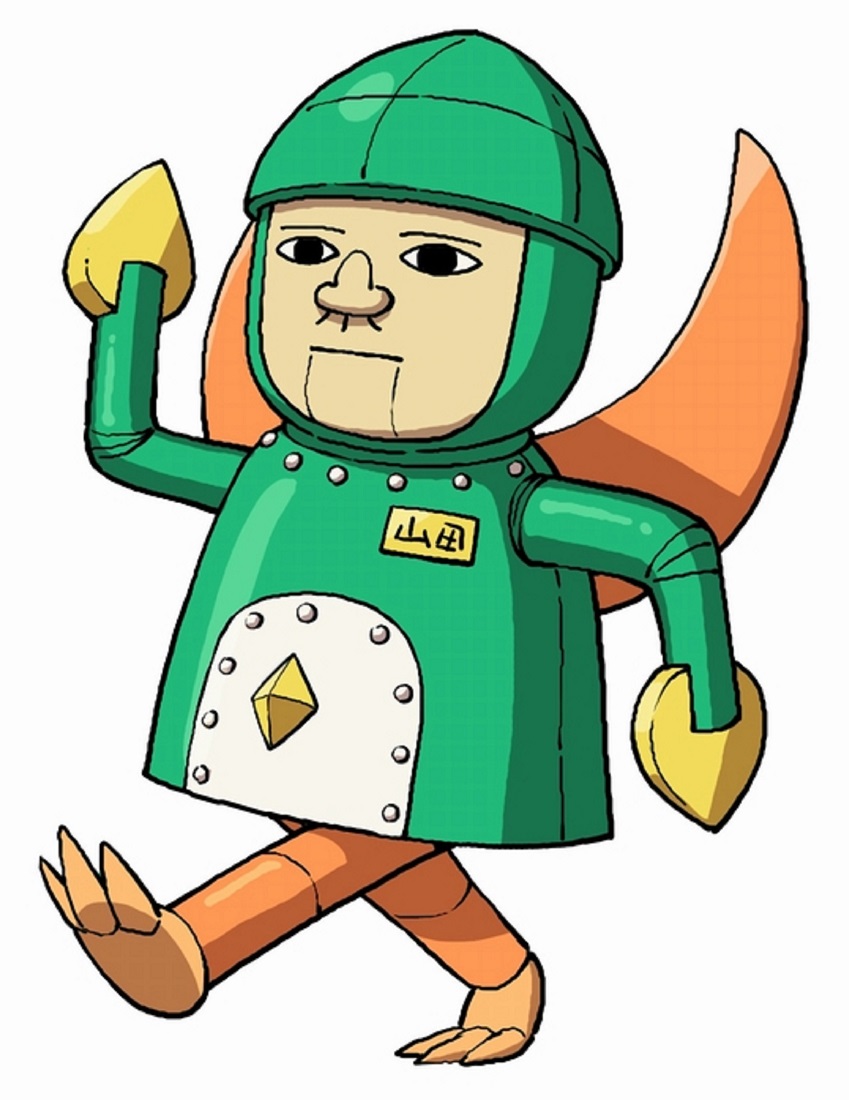

Eastward is an indie game I actually first learned about here on lemmy, just a couple weeks after its release. I went back and replayed it just a month ago and it’s so good. I can acknowledge that it’s not for everyone, it almost feels like the target audience is me specifically.
The dialogue is really wonderful and you fall in love with the characters. When I play games I generally am talking to every npc, Eastward made that feel rewarding for me. There’s not much for tangible benefits, it’s just that to me the dialogue feels very…human (the robots included). If you’re inclined to check in with the npcs you’ll catch wind of little dramas and occasionally see them resolved, and none of it really affects gameplay or the story but it makes the world feel more alive.
My personal favorite, and one I wouldn’t have found without going out of my way to talk to the npcs - the train attendant robot talking shit about the repair-worker robot:

The most frequent complaint I’ve seen about Eastward is too much dialogue and too little game, so ymmv. Slight oversimplification, but the gameplay is basically Zelda but with a frying pan instead of a sword. It’s not innovative but I still find it fun.
The story was heartwarming at times and (with help from the environmental visuals) creepy at other times. I will say it was a bit of a letdown just how much was left open-ended at the end though, there were a few plot points where I was looking forward to seeing how they’d be explained or where they were going and the game just never gave an explicit explanation.
The pixel art is so special. I try to avoid looking up too much before playing a new game and there was one moment in particular that just floored me visually. I do think the game as a whole made a stronger impression on me because I went in mostly blind, some of the ways the environments change and evolve visually as you move forward really impressed me.
tl;dr the appeal is lots of emotion captured in the details


I learned the pledge of allegiance way before I had understanding of the words “pledge” or “allegiance” or half the words we needed to recite. It has no meaning to a six-year-old, and by the time I was capable of understanding meaning I had so deeply ingrained it as an annoying meaningless ritual that it never crossed my mind.
I’m now in my thirties and reading your comment is the first time it’s hit me that the words are intended to have more ideological significance than putting your socks on. When you say it out loud it’s obvious, but having to perform or hearing a mention of the pledge has consistently gotten the same amount of attention from me as one pant leg going on before the other one.